
You have an outdated webbrowser. The website might not work correctly.
There are many ways to sharpen a knife, but if you want the best results without paying top dollar, choose a sharpening stone. A sharpening stone for knives, also known as a whetstone, is the best way to keep your knives sharp and extend their lifespan. Whether you are just starting out or already have some experience, with a little practice, anyone can sharpen their kitchen knives to a razor's edge on a sharpening stone. Curious to know which whetstone is best suited to your knives? We explain what types of sharpening stones are available, how a sharpening stone works, and what you should look for when choosing the right sharpening stone.
Are your knives in need of sharpening?
Let us hone your decision-making skills to select the perfect sharpening tools!
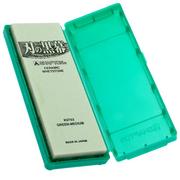

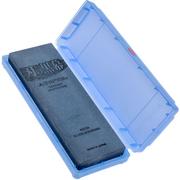

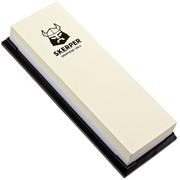









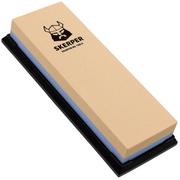

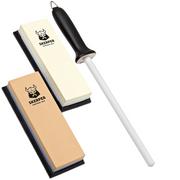

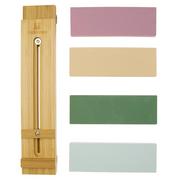

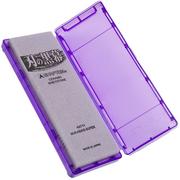

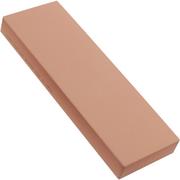



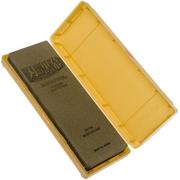

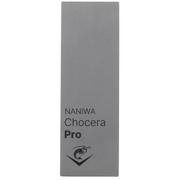

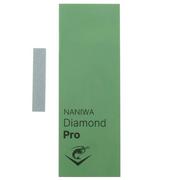

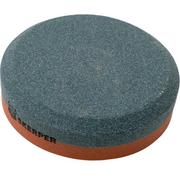


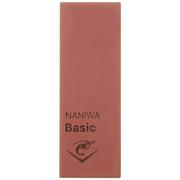

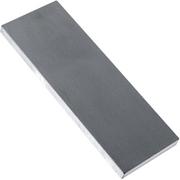

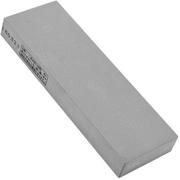

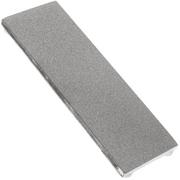






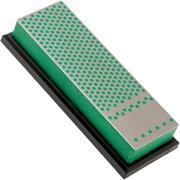


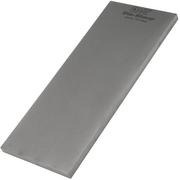

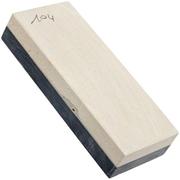

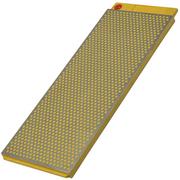





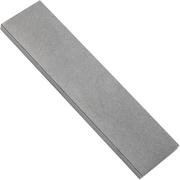

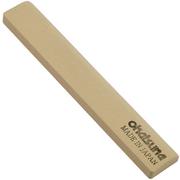

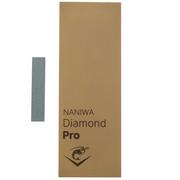

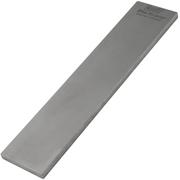

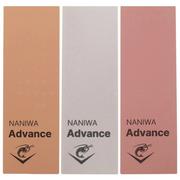



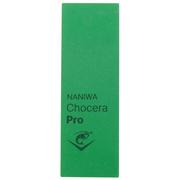
Which sharpening stone you need completely depends on the state of your knife. However, there are a number of things you should pay attention to when making your choice: the type of sharpening stone, the grain size, and the binding agent.
In most cases, a sharpening stone is a combination of an abrasive and a binding agent, or a specific way in which the abrasive particles are bound together. The abrasive is responsible for the actual sharpening, while the binder determines the hardness and holds the abrasive particles firmly together.
Sharpening stones come in many different types of materials. Commonly used synthetic materials include carbide, aluminium oxide and other ceramic materials. In other cases, such as Skerper Arkansas and Ardennes Coticule, it is actually a completely natural product.
There are also diamond-coated sharpening stones. Often consisting of a metal plate onto which small diamond particles have been applied. The advantage of these sharpening stones is that they can sharpen all types of steel, even the hardest ones. Furthermore, these stones do not wear down and can therefore also be used as levelling stones: ideal for flattening your sharpening stone after intensive use.
There are therefore different types of sharpening stones. Here is a complete overview of the different types:
A Japanese sharpening stone is a sharpening stone from Japan. Traditional Japanese sharpening stones are renowned for their high quality and sharpening results. They are often water stones, which means you use them with water. They are suitable for hard steel knives and offer a very precise finish.
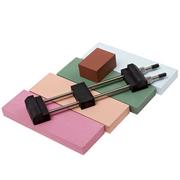
A complete sharpening stone set consists of several sharpening stones with different grain sizes, ideal for both coarse pre-sharpening and fine finishing. With one purchase, you will have everything you need to get started.
You use a lapping stone to make your sharpening stone flat again. A flat sharpening stone is essential for maintaining the correct sharpening angle and achieving an even sharpening result.
A diamond sharpening stone is a sharpening stone consisting of a base, often made of metal or plastic, onto which industrial diamond particles have been applied. These sharpening stones are extremely hard, durable and, when used correctly, show hardly any wear. They are ideal for sharpening hard steels and always retain their flatness.
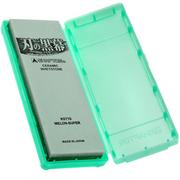
A ceramic sharpening stone is a sharpening stone made from a ceramic material, often aluminium oxide or carbide. This type of sharpening stone is the most common sharpening stone and is particularly suitable for cost-effective sharpening of common types of steel.
A natural sharpening stone is a sharpening stone made from natural stone types. They often provide a very fine finish and are valued for their traditional character.
A combination sharpening stone, as the name suggests, combines two grain sizes in one stone. Ideal if you want to save space and money.
A water stone is a collective term for all sharpening stones that are used with water. The water turns the loosened grinding particles into a slurry. This slurry not only ensures a fine finish, but also reduces wear on the sharpening stone.
Want to know more about types of sharpening stones? Read about it in our info topic: Sharpening stone – materials: which is best?
The grain size you need depends on the condition of your knife. But what is grain size? The grain size of a sharpening stone indicates how coarse or fine a it is. The lower the number, the coarser the stone often is and the more material it removes. If your knife is still relatively sharp and you just want to sharpen it a little, one sharpening stone with a medium grain size (600 to 1000 grit) will often suffice. If your knife is blunt, you will need several sharpening stones. First, use a coarse (220 to 600 grit) grain size, or even an extra coarse (0 to 220 grit) grain size to restore the edge, then other sharpening stones in ascending grain sizes to sharpen the edge and finally, if necessary, a strop to polish the blade. But watch out! Not all grain sizes are the same. Read all about the different types of grain size designations here. Or see here how to find out which grain size you should start with.
The binding agent is the material that holds the abrasive grains together in the sharpening stone. It partly determines the hardness of the stone and therefore also influences the sharpening feel. Manufacturers rarely disclose exactly which binding agent they use, as this is often one of their production secrets.
Sharpening stones with synthetic resin as a binding agent are usually pressed. Stones with a ceramic or magnesium binder are often baked (sintered), resulting in a different structure, hardness and grinding properties.
We sell sharpening stones from all the famous brands. Looking for a sharpening stone from Skerper, Lansky, Naniwa or Shapton, for example? We've got you covered!
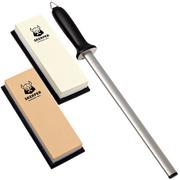
With Skerper sharpening products, you can make your knives razor sharp again. From the Skerper Basic sharpening stones to the Skerper Professional sharpening stones: sharpening has never been this practical and cost-effective.
Discover all Skerper sharpening stones
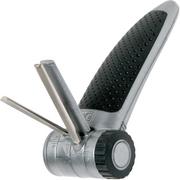
With the HORL knife sharpener, you can sharpen your knives with ease. The magnetic base automatically holds your knife at the correct sharpening angle. And you can easily roll the sharpening stone along the knife. HORL makes sharpening easy and stylish!
Discover all HORL sharpening stones
Expand your Lansky sharpening system with our extensive collection of Lansky sharpening stones. From extra coarse, extra fine and diamond to ceramic: Lansky has them all.
Discover all Lansky sharpening stones
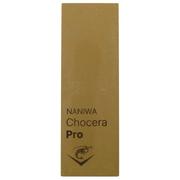
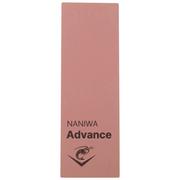
Naniwa sharpening stones are the best of the best. Japan's age-old sharpening traditions combined with Naniwa's 80 years of experience guarantee unparalleled quality.
Discover all Naniwa sharpening stones
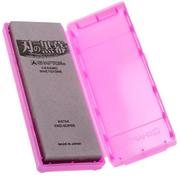
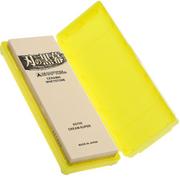
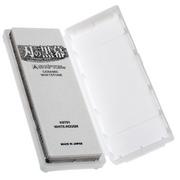
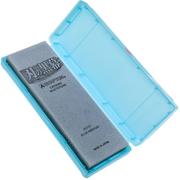
Shapton sharpening stones are among the best Japanese whetstones on the market. All your knives will be razor sharp in no time with this fantastic sharpening tool. These sharpening stones are distinguished by their smooth material removal and wear resistance.






A good sharpening stone is not always just about grain size or sharpening results. The shape of the sharpening stone also determines what you can sharpen with it. Here we explain more about sharpening certain tools.
It may sound strange, but yes, even your skates can be sharpened! Almost every skater sharpens his or her skates using whetstones. However, the best stones to use depend on the material of your skates. Want to learn more? Read all about sharpening ice skates here.
Chisels are popular among woodworkers and DIY enthusiasts. Tools that are used frequently and therefore lose their sharpness over time. But how do you sharpen a chisel? [You can easily do this yourself, and we'll tell you how.](kato://content/ migrated_topic_414)!
A blunt axe is extremely dangerous. You will find that you start to exert more force and make uncontrolled movements, and we probably don't need to explain what the consequences of that can be. We therefore often get asked how best to sharpen an axe. A good question that we are happy to answer. You can learn everything about sharpening an axe here.
Good gardening tools are worth their weight in gold if you maintain them properly. By regularly cleaning and sharpening your garden tools, you will keep them in top condition and prevent unnecessary wear and tear. We'll tell you exactly how!
In principle, any flat sharpening stone is suitable for sharpening your kitchen knives. Do you have a bread knife? Then use a sharpening steel to sharpen the serrations. Read more about sharpening a bread knife here.
As with kitchen knives, any flat sharpening stone is basically suitable for sharpening a straight razor. However, you often use very fine sharpening stones because the blade of the razor is so thin and fragile. We recommend the Skerper Arkansas sharpening stones or the Ardennes Coticule sharpening stones.
A well-maintained sharpening stone not only lasts longer, it also delivers better sharpening results. The material of your sharpening stone determines how often maintenance is required, but as a rule of thumb, the following applies: cleaning your sharpening stone regularly prevents metal particles and grinding debris from affecting the stone's performance. You can do this by rinsing the sharpening stone thoroughly. If necessary, use a brush or other sharpening stone to remove the metal particles.
It is also important to flatten your sharpening stone so that the surface remains even. How often you need to clean or flatten a sharpening stone depends on how often you use it. With regular use, weekly or more often, it is advisable to clean the stone briefly after each session. You should level the surface as soon as you notice that it is becoming uneven. If the centre of the stone is deeper than the edges. With intensive use, this may be once a month, with less use a few times a year. Read more about flattening a sharpening stone here.